September 24, 2026
Replacing a vehicle's complete gear assembly represents a major automotive repair that often causes unexpected financial stress for drivers. Proper budgeting and practical mechanical preparation are necessary steps to ensure that this vital automotive service does not derail your monthly household finances. Navigating a major transmission replacement requires clear insight into how modern drive systems operate and what full mechanical repairs demand. By taking proactive steps today, drivers can spot severe component failures early, gather accurate local quotes, and budget wisely.
Understand Your Transmission System
The transmission in any motor vehicle serves as an essential mechanical component that transfers power directly from the engine block to the drive wheels. It plays an indispensable role in continually adjusting speed and torque output, allowing your car to accelerate smoothly, climb steep inclines, and maintain efficient highway speeds. Both manual and automatic configurations accomplish this critical objective through distinct internal engineering setups.
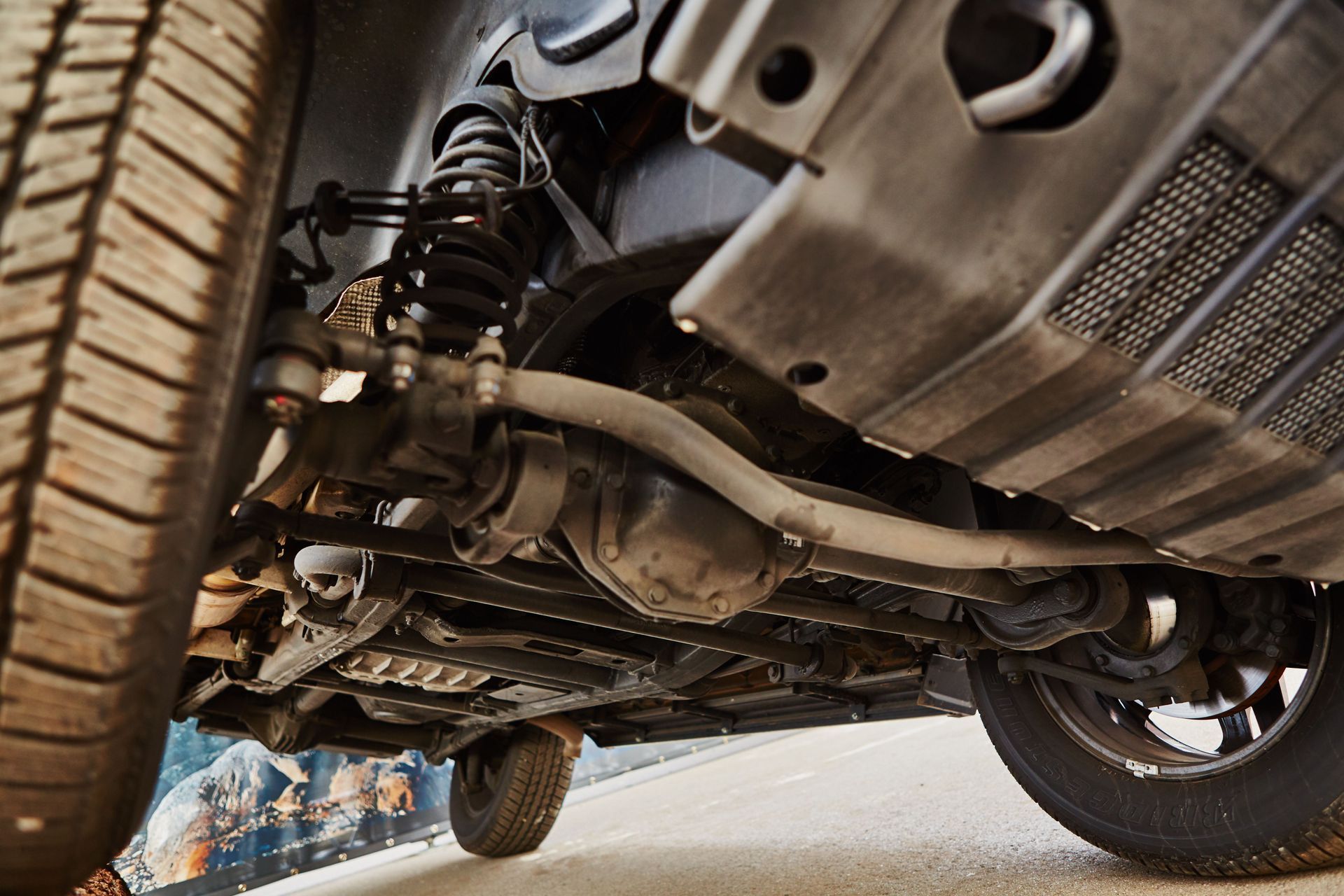
Modern drive assemblies consist of dozens of intricate gears, hydraulic valves, and electrical control systems working together under high temperatures and continuous pressure. Because these internal parts experience constant mechanical friction, keeping up with routine fluid inspections is vital for preserving long-term component health. Understanding how these intricate mechanical systems work helps car owners appreciate why major gearbox repairs require specialized diagnostic equipment and technical expertise.
As modern automotive engineering continues to evolve, current drive systems incorporate sophisticated electronic control units alongside traditional mechanical components. These technological advancements enhance overall fuel efficiency and vehicle performance, but they also introduce extra layers of complexity that demand specialized tools during service. Familiarizing yourself with your vehicle's specific system empowers you to take preventive action and seek timely mechanical care before total failure occurs.
Recognize Signs of Gear Damage
Identifying early warning signs of component wear enables vehicle owners to take quick action before severe internal damage leads to sudden breakdowns. Slipping gears, delayed response during acceleration, and distinct burning odors often point to overheating fluid or worn internal bands. Addressing these initial indicators promptly can prevent extensive damage and help you avoid more costly mechanical overhauls down the road.
Harsh gear engagement, noticeable grinding noises, and low fluid levels caused by persistent leaks signal serious internal component wear that requires immediate attention. Ignoring dashboard warning lights or unusual vehicle vibrations often worsens internal damage and jeopardizes driver safety. According to SNS Insider, the primary driver for ongoing vehicle maintenance is that more than 65% of operational automobiles on the road are currently over ten years old.
Discovering tiny metallic shavings during routine fluid inspections clearly indicates that internal metallic components are wearing down rapidly and require thorough evaluation. Unchecked mechanical friction will compromise total vehicle performance and lead to unexpected roadside breakdowns. Regular diagnostic checks provide clear visibility into your system's condition, allowing you to plan necessary repairs long before severe mechanical failures immobilize your car.
Estimate Potential Service Expenses
Numerous unique variables influence the overall total expense when planning a transmission replacement for your personal car or truck. Your vehicle's specific make, model, and year play a primary role, as parts pricing and required installation hours differ greatly across manufacturers. Importing foreign automobiles, luxury sedans, and commercial utility trucks frequently requires specialized replacement components that increase total service invoices.
Local labor rates, regional market demands, and shop expertise also significantly affect the final costs printed on repair estimates. Extra repairs like replacing worn engine mounts, damaged fluid lines, or faulty electronic control sensors can quickly increase project costs. Obtaining comprehensive written estimates from trusted local mechanics allows vehicle owners to review expected expenses thoroughly before authorizing any mechanical disassembly.
Acquiring itemized service quotes provides complete clarity regarding parts pricing, labor hours, shop supplies, and additional service fees. Requesting an explicit transmission replacement estimate enables drivers to compare overall service value across different automotive centers effectively. Transparent communication with your selected technician ensures you fully understand the scope of work and avoid unexpected financial surprises when picking up your vehicle.
Compare Replacement Component Options
Choosing the ideal component type represents an essential decision when organizing a transmission replacement for your automobile. Brand-new factory units provide peak mechanical performance and comprehensive manufacturer warranty coverage, making them an excellent choice for newer models. However, brand-new assemblies demand the highest upfront investment, which may not fit every driver's immediate budget or align with older vehicle values.
Rebuilt assemblies offer a highly cost-effective alternative that balances overall purchase price with long-term driving reliability. Skilled technicians completely disassemble these units, replace worn internal gears, and install new seals to restore factory operating standards. Selecting a rebuilt assembly allows vehicle owners to restore smooth driving capability while keeping total repair expenses significantly lower than buying new hardware.
Used gearboxes harvested from low-mileage donor vehicles represent the least expensive choice for budget-conscious car owners. While used parts deliver immediate financial savings, they carry higher inherent risks regarding unknown mechanical history and shorter warranty coverage. Weighing the trade-offs between component cost, vehicle age, and long-term driving expectations helps you choose the most practical option for your situation.
Choose a Trusted Service Facility
Selecting a qualified auto shop that employs certified technicians is crucial for ensuring top-tier workmanship during complex drivetrain repairs. Industry credentials like Automotive Service Excellence certification confirm that mechanics have undergone rigorous training and possess deep technical knowledge. Certified professionals complete precise diagnostics and proper installations, drastically reducing the chances of recurring mechanical errors or premature component failure.
Working with seasoned professionals offers complete peace of mind throughout a transmission replacement procedure. Well-established service shops possess modern diagnostic gear and specialized lifting equipment essential for aligning complex drive assemblies correctly. Reading customer reviews, asking for shop credentials, and verifying local business reputations help ensure that your vehicle receives meticulous care from experienced hands.
Reputable repair shops back up their technical work by offering clear, written warranties on both installation labor and installed parts. Professional mechanics willingly explain repair timelines, answer technical questions, and share guidelines for proper break-in care following service. Establishing a relationship with a trustworthy service facility ensures long-term vehicle reliability and provides a dependable partner for future automotive maintenance.
Plan Flexible Payment Strategies
Covering major repair expenses during a transmission replacement requires exploring flexible financial arrangements to keep your budget balanced. Many specialized auto shops collaborate with third-party lenders to offer structured payment plans or dedicated store credit lines. Spreading major service costs across manageable monthly installments helps vehicle owners maintain essential cash flow while completing urgent mechanical repairs without delay.
Personal loans from local credit unions or traditional banking institutions offer another practical way to finance necessary repair work. These loans typically feature fixed interest rates and predictable monthly payment schedules, simplifying long-term household budgeting. Comparing interest terms and processing fees across different lending institutions ensures you secure the most affordable loan agreement available for your repair project.
Establishing a dedicated automotive emergency fund remains the most effective defense against sudden, high-cost mechanical repairs. Setting aside small, consistent monthly savings builds a reliable financial buffer that absorbs routine maintenance bills and major system overhauls. Strategic financial planning alleviates stress, protects your credit rating, and ensures your vehicle receives immediate care whenever unexpected breakdown issues arise.
Managing a major drivetrain repair can feel challenging, but proactive budgeting and careful research make the entire process straightforward. When you need expert assistance with a transmission replacement service, having a reliable mechanical team in your corner makes every step easier. Contact Peninsula Automotive Inc today so we can help you schedule a complete inspection and explore the best service options for your vehicle.